
Volunteering in Kolkata - Part 4
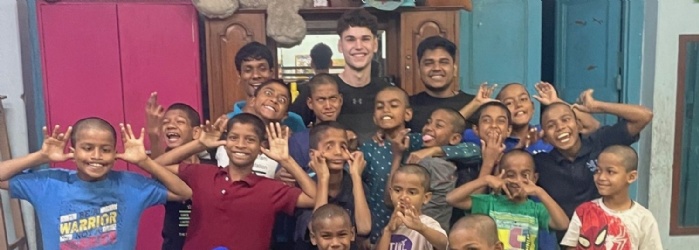
In his final letter from Kolkata below, Emil (DO25), reflects on his six months volunteering with Future Hope, a charity that helps street children escape poverty through education, medical care, and providing homes. We hope some of our 2026 leavers might be inspired to follow his path if taking a gap year. Emil has contributed so much and learnt even more.
In his January - February update, Emil reflects on the final chapter of his six months at Future Hope, describing it as a deeply formative experience. He highlights the children’s challenging backgrounds and the school’s vital role in providing stability, care, and opportunity, while much of his own time was spent in the Resource Room, where he learnt the value of patience, adaptability, and persistence through daily work with the students. In his concluding reflections, Emil acknowledges the challenges of an unpredictable environment but emphasises how much he has learnt in return, with the experience becoming a deeply personal journey shaped by the children, the community, and the unexpected.
The Children
This is my fourth and final chapter of a wonderful part of my year off - all thanks to your kind generosity. Here are some concluding thoughts on a six months experience which has undoubtedly shaped my life.
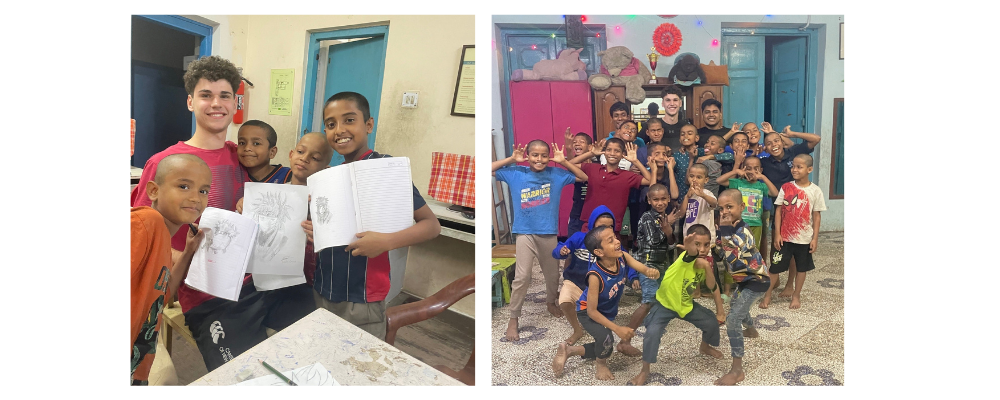
Future Hope works with children who come from immensely difficult circumstances. Many have grown up in Kolkata’s slums, surrounded by poverty, addiction, violence, and neglect. Some have lost one or both parents, others were sent away from home because their families could not afford to feed them and many had never lived in a stable or safe environment before arriving here. The school does not only provide education, but something more fundamental: regular meals, medical care, structure, and a sense of safety. Being part of this community has been a privilege, and I look forward to returning soon.
The Resource Room
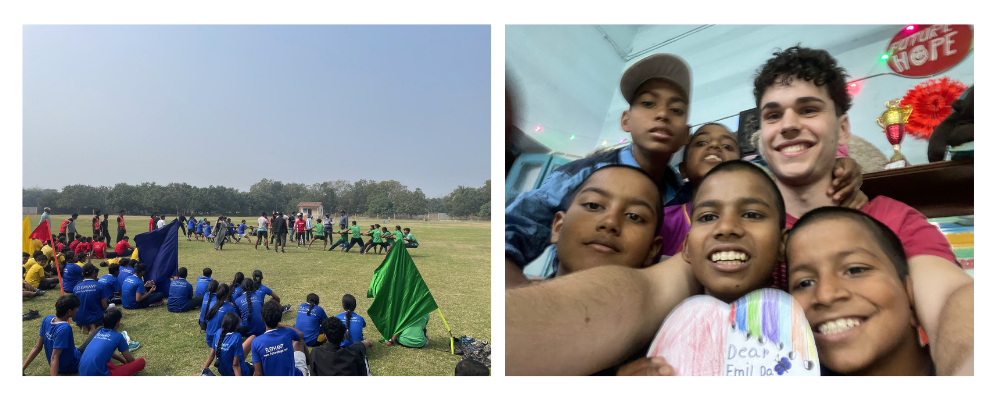
The Resource Room defined much of my time here - not through any single moment or breakthrough, but through consistently working with the same children each day over the past six months. Getting to know their habits, frustrations, humour, and the ways they interpret the world became much the work itself. Progress wasn’t always obvious, and often hard to measure, but the process demanded a kind of attention, patience, and persistence.
I recently learned that the Resource Room, or OBE (Outcome Based Education) doesn’t only serve children diagnosed with neurological conditions and learning difficulties but vulnerable children who have been taken directly from the streets and with minimal prior education. For them, the Resource Room acts as a bridge where they can develop basic language, behaviour, confidence, and routine before joining mainstream classes.
Teaching here rarely followed a plan. Mornings were unpredictable, classrooms shifted, trips appeared unexpectedly, and I was often asked to teach without much guidance. I arrived knowing very little about the students’ academic levels or personalities, and had to piece things together gradually - observing, adjusting, and trying again. What worked for one child could fail with another, and even successful approaches would sometimes stop working altogether.
Music & Evenings in the Homes
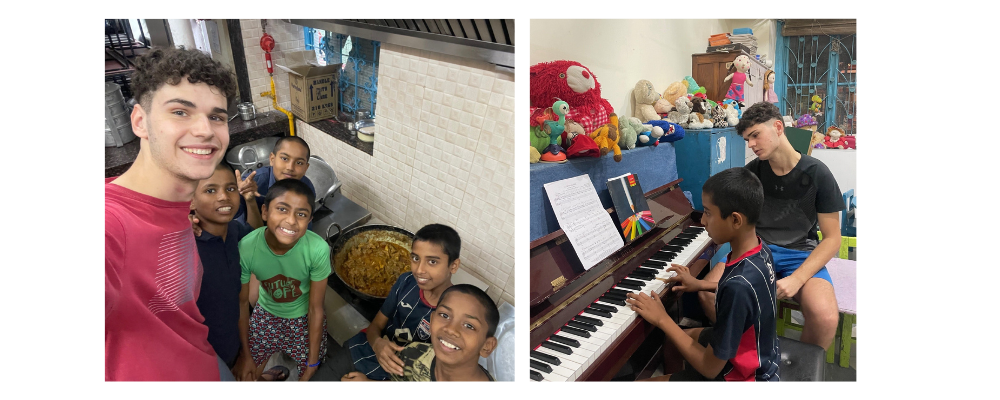
Music remained a constant thread. I taught piano to a small group of students who progressed remarkably over the months. They are now reading chord diagrams, learning to sight-read, and playing full songs independently. Knowing that they may not always have access to a teacher, I tried to focus less on pieces and more on giving them the tools to continue on their own.
I will miss a lot of things but especially the evenings in the homes. Many of the boys have no parents waiting for them, no family to return to, and no certainty beyond those walls. Knowing that changes how you listen. Sitting with them, talking about their days, hearing about their lives, sharing food, music, laughter and discussing their worries. They are loving, curious, and deeply caring, and the trust they placed in me and the way they valued my time and presence has been profoundly humbling. It was during these ordinary evenings that relationships formed most naturally, and also what made leaving so difficult.
Final Reflections
There were certainly difficult moments. Much of the work required initiative and being fairly comfortable with varying degrees of uncertainty. I was often left (or perhaps trusted…) to build things from scratch - setting up piano lessons, designing learning materials for students, adapting to systems that function very differently from what I am used to. Communication could be indirect, expectations unclear, plans fluid. Most days felt productive; some felt confusing and sometimes even frustrating.
Looking back, the greatest lesson has been the value of being open to what you did not plan for. I came expecting to help, to teach, and to observe. I did not expect to be taught so much in return - largely by the children themselves - nor to become so attached to a place and culture that, many months ago, felt entirely unfamiliar.
Thank you for having made this journey possible. Your support has allowed me to learn, to contribute, and to grow in ways I never imagined.
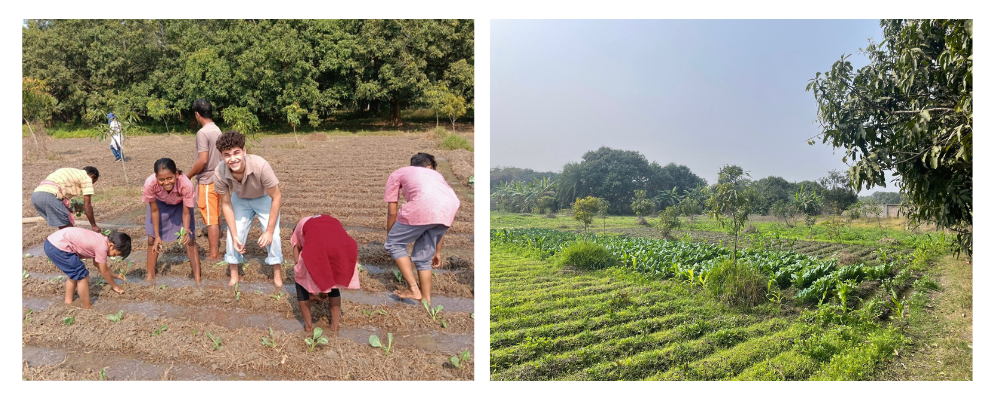
I’ve included before-and-after pictures (two below) from my time gardening with the Resource Room – a good reminder of how quickly the time passed.
With much love,
Emil